Home | About the Director | FAQ | Testimonials | | How to Find Us

Home | About the Director | FAQ | Testimonials | | How to Find Us |
|
About the DirectorQuestions?Conditions We TreatSpecialty ProceduresOur LocationTestimonials |
|
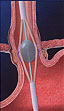
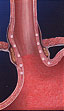
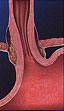
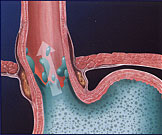
What is Heartburn (GERD?)GERD (Gastroesophageal reflux disease) occurs when stomach acid, enzymes, and bile "reflux" upward from the stomach into the esophagus through the lower esophageal sphincter. The most common symptom associated with GERD is heartburn. Normally, the lower esophageal sphincter (LES) acts as a one-way valve, enabling food to pass into the stomach, but not backward into the esophagus. Some periodic reflux of stomach contents into the esophagus is normal. However, 7% of adults in the U.S. experience reflux and GERD symptoms daily. Chronic exposure to stomach acid, enzymes, and bile causes irritation of the esophagus that can result in inflammation or ulceration. Over time, a delay in treatment may lead to more serious medical consequences. If you have been diagnosed with GERD, the Stretta Procedure may be the minimally invasive treatment alternative for you. How the Stretta Procedure WorksThe Stretta Procedure is a minimally invasive, outpatient procedure performed in our center in 60 minutes or less under conscious sedation. There is no hospital stay involved with the Stretta Procedure and patients typically return to normal activities the following day.
Q. Will I experience any pain during or after the Stretta Procedure?A. Some patients experience mild abdominal cramping during the procedure, but under conscious sedation the discomfort is brief and easily alleviated. In the days following the procedure, patients may feel tenderness in the upper abdomen, which disappears typically in 3 to 5 days. Q. Is the Stretta Procedure considered surgery?A. The Stretta Procedure is a non-surgical procedure. The procedure is performed through the mouth and the esophagus, involves no cutting or sewing, and leaves no skin incisions or scars. Q. What can I expect in terms of my GERD symptom improvement after the Stretta Procedure?A. Most patients experience reduction in heartburn and regurgitation syptoms within one month of the procedure, and are able to discontinue drug therapy with minimal residual symptoms. Your individual results may vary. Q. What can I expect in terms of recovery after the Stretta Procedure?A. Most patients are able to return to full activity the following day and discontinue their heartburn medication within 1-2 months. Patients treated in the U.S. clinical trials have not developed any new side-effects after the Stretta Procedure.
|
|
|||||||
| Site Copyright © 2026 by the Heartburn
Center of San Diego |
||||||||||
|
|
|
||||||||